 Zoom
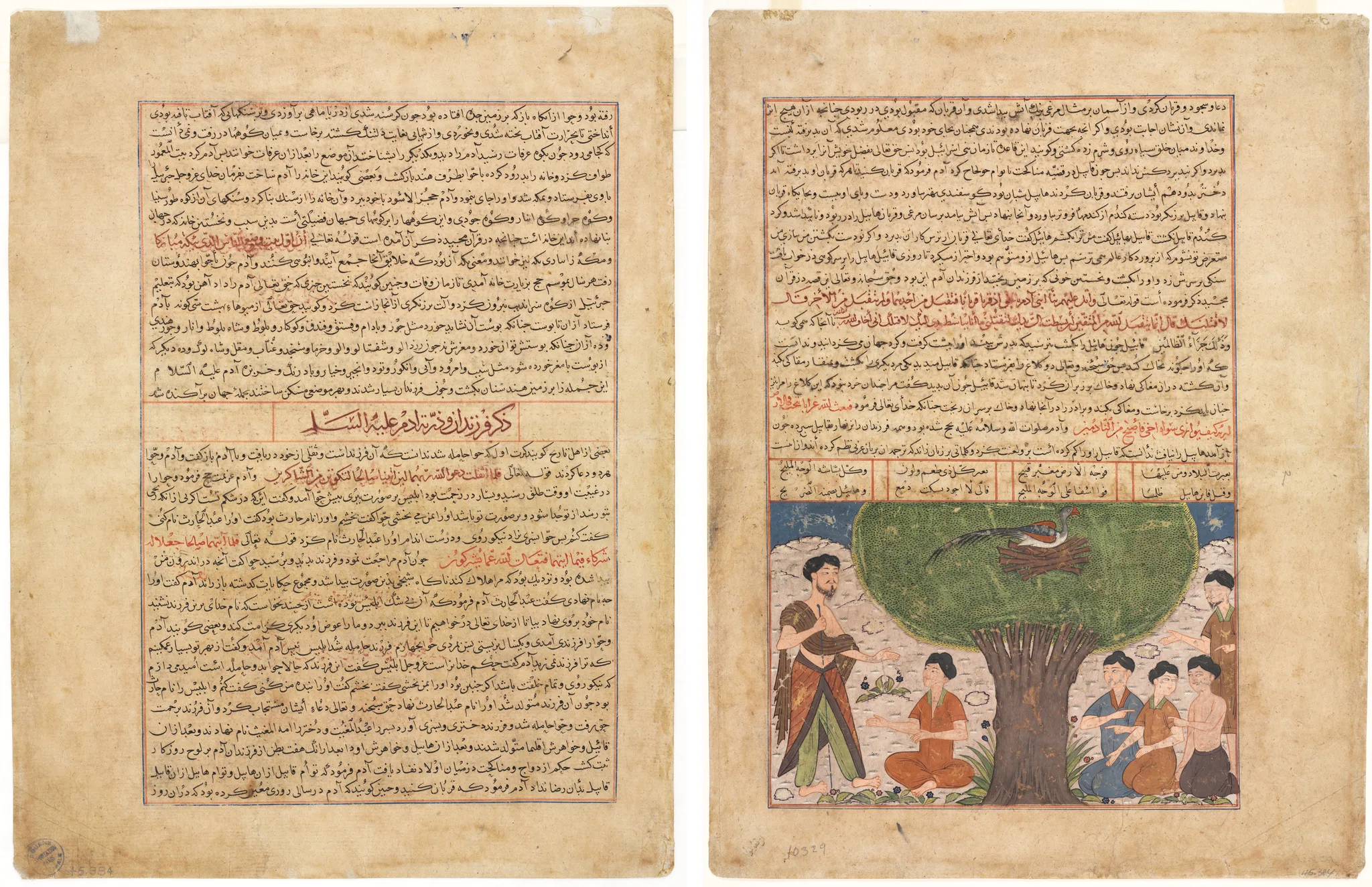
ZoomText Page, Persian Prose (recto); The Story of Adam peace upon him, his Sons and Progeny (verso)
Unknown artist · c. 1425
Fine-art print
Coming soon
- Made to order in 2–4 working days, then 2–5 days, tracked — arrives about 1–2 weeks.
- £5 flat-rate shipping — free over £60. Rolled, worldwide.
- Every order is damage-covered — printed just for you, so no change-of-mind returns.
Collections
Palette
Mood & subject
CC0Free to use — public domain.Personal and commercial projects, no attribution required.
Complete the wall
Three prints that hang beautifully together — chosen to share this piece's palette.
£18 each · £54 for all three
Looks similar
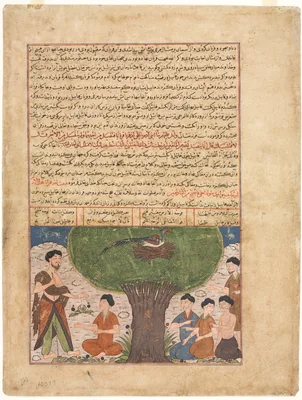
The Story of Adam, peace upon him, his Sons and Progeny, from a Jami al-tavarikh (Compendium of Chronicles) of Rashid al-din (verso)
Unknown artist
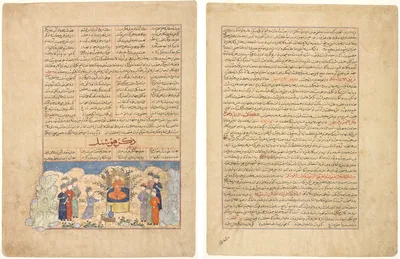
The Story of Hushang (recto), Illustration and text (Persian Prose) from Majmac al-Tavarikh (A Compendium of Histories) of Hafiz-i Abru; Text Page, Persian Prose, (verso), from Majmac al-Tavarikh (A Compendium of Histories) of Hafiz-i Abru
Unknown artist
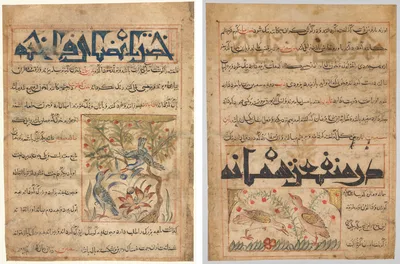
Qualities of Ringdoves (recto); On the Benefits of Quails (verso), from a Persian Manafi‘ al-Hayawan (The Benefits of Animals) of Abu Said Ubaid-Allah ibn Jibrail ibn Bakhtishu (died 1058–68)
Unknown artist
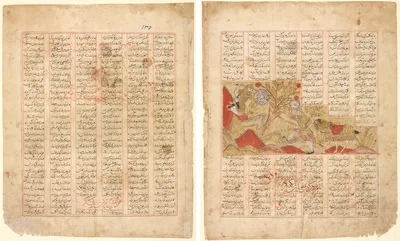
The Tale of the Twelve Faces. "Bizhan Addresses the Army": Illustration from the Firdausi Shahnama (recto); The Tale of the Twelve Faces. "The Warriors Engage in Combat": Illustration from the Firdausi Shahnama (verso)
Unknown artist
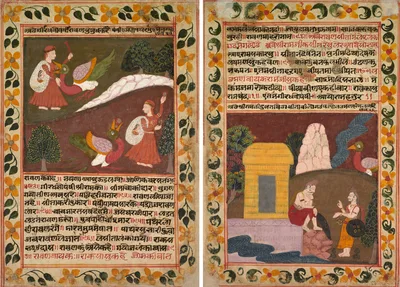
Folio 18 from a Chandana Malayagiri Varta (Story of King Chandana and Queen Malayagiri) of Karamachand: Ravana battles the great vulture Jatayu and defeats him by throwing stones in his mouth (recto); Jatayu approaches Rama and Lakshmana who are wondering where Sita could be (verso)
Unknown artist
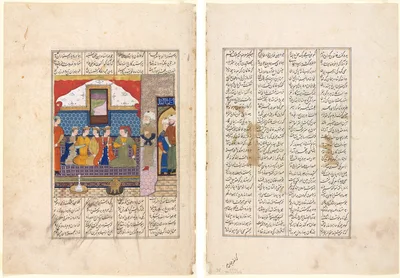
Nushirwan Sends Mihran Sitad to Fetch the Daughter of the King of China (Recto); The Forty-Eighth Year of Nushirwan's Reign. The Combat of the Khaqan of China with the Haithalians (Verso)
Unknown artist
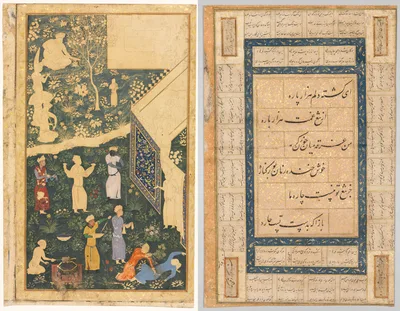
Left side of a double-page album folio: Outside a Royal Encampment (recto) and Calligraphy, Persian Verses (verso)
Kamāl ud-Dīn Behzād
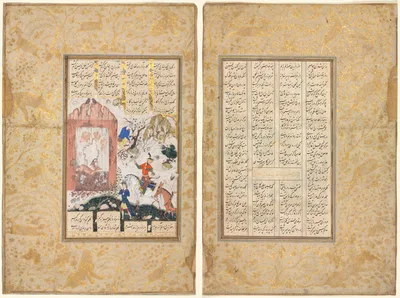
Nushirwan Listens to the Owls (recto); the Story of Nushirwan and his Minister, "The Third Discourse on Diverse Events and Disorder in Life" (verso) from a Khamsa (Quintet) of Nizami (1141–1209)
Unknown artist
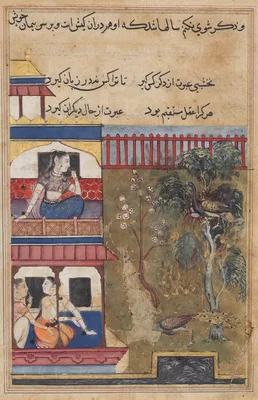
The queen of Rum watches the peahen prefer to burn rather than abandon her eggs while the peacock flees the nest, from a Tuti-nama (Tales of a Parrot): Thirty-ninth Night
Unknown artist
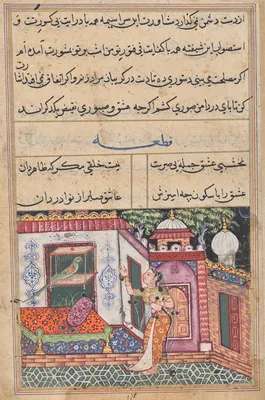
The Parrot Addresses Khujasta at the Beginning of the Eleventh Night, from a Tuti-nama (Tales of a Parrot)
Banavari 2
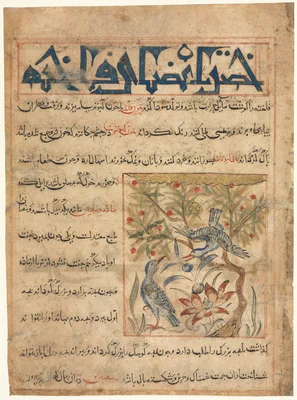
Folio from a Persian Manafi‘ al-Hayawan (The Benefits of Animals) of Abu Said Ubaid-Allah ibn Jibrail ibn Bakhtishu (died 1058–68) (recto)
Unknown artist
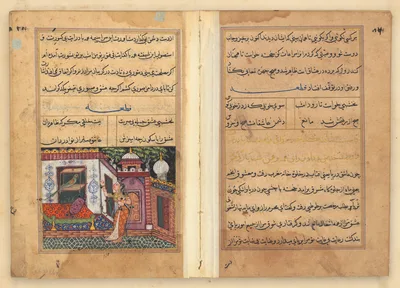
Tuti-Nama (Tales of a Parrot)
Unknown artist